

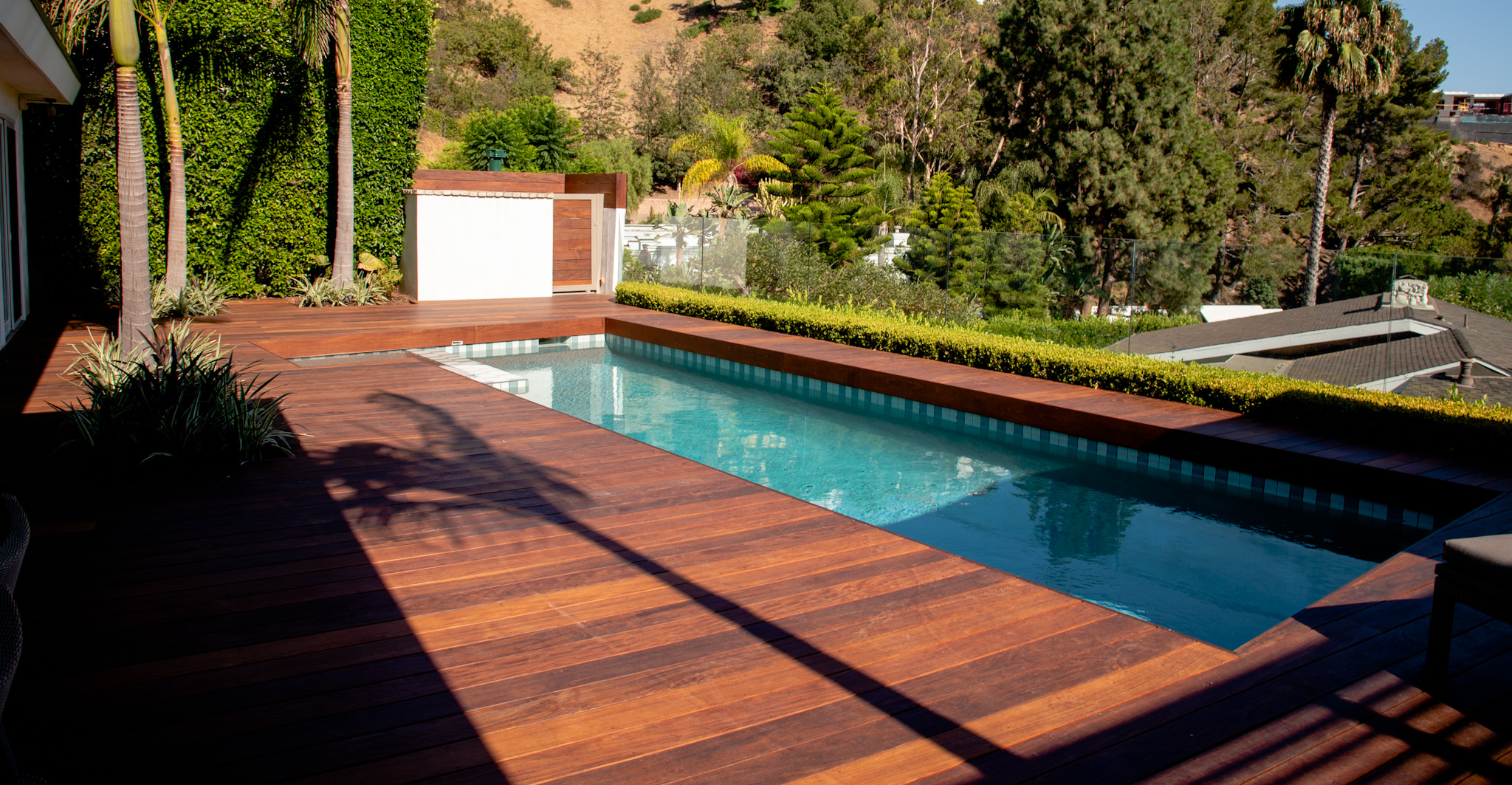
Best Wood for Pool Decks in Los Angeles
Best Sellers

Posted on November 16, 2026 at 1:37 am
Table of Content
Choosing the right wood for pool deck construction in Los Angeles requires more than selecting a wood species based on its appearance. The ideal wood for pool deck areas should withstand moisture, pool chemicals, strong sunlight, temperature changes, foot traffic, and frequent cleaning. With Los Angeles experiencing intense sunshine and long dry periods, durability, slip resistance, weather resistance, and maintenance requirements are important factors to consider.
The right wood should be durable enough for outdoor use, comfortable to walk on, resistant to moisture and decay, and suitable for the design of the property.
Several wood species can work well for pool decks, but Ipe, Cumaru, Garapa, and other naturally durable hardwoods are often considered for demanding outdoor applications.
This guide explains the most important factors to consider and compares some of the best wood options for a pool deck in Los Angeles.
What Makes a Good Wood for a Pool Deck?
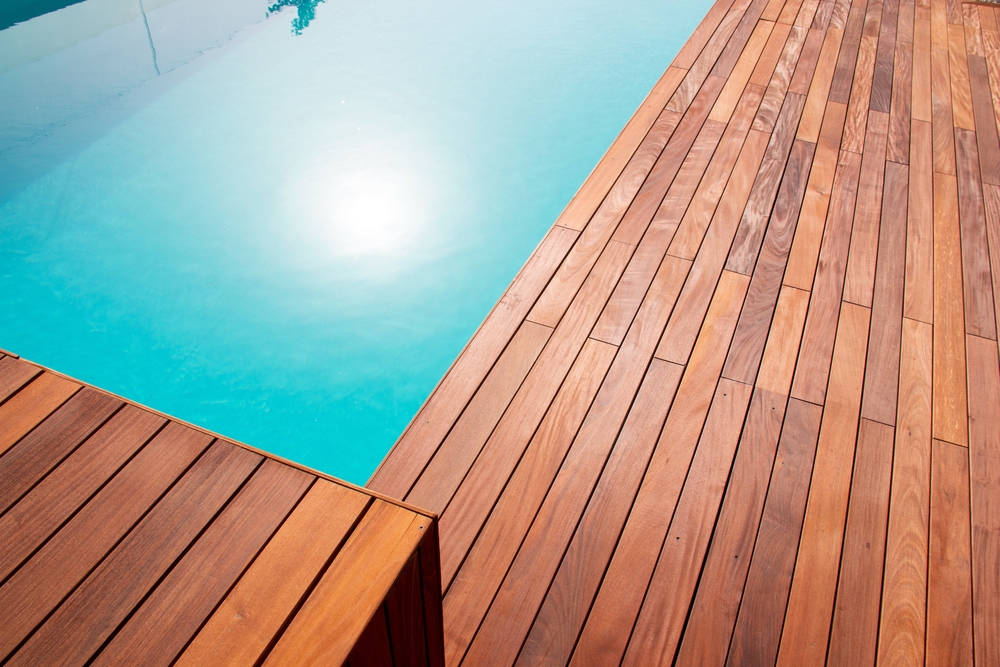
A pool deck has different requirements from an indoor floor or covered patio.
The wood should be able to handle repeated exposure to moisture without quickly deteriorating. It should also perform well under strong sunlight and regular foot traffic.
Important characteristics include:
- Natural durability
- Resistance to decay
- Resistance to insects
- Stability
- Appropriate surface texture
- Good outdoor performance
- Ease of maintenance
- Availability
- Appearance
The best choice also depends on whether the deck is fully exposed to the weather or partially protected by a roof or shade structure.
Why Los Angeles Climate Matters
Los Angeles has a generally warm climate, but conditions can vary considerably between neighborhoods.
A pool in an inland area may experience intense heat and direct sun. A property closer to the coast may experience moist marine air and salt exposure.
Strong sunlight can gradually affect the color of natural wood. Moisture from the pool and regular cleaning can also create repeated wetting and drying cycles.
This makes material selection especially important.
A wood species that performs well outdoors can provide a much longer service life when combined with proper design, installation, drainage, and maintenance.
1. Ipe
Ipe is one of the most popular premium hardwood choices for outdoor decking.
It is a dense tropical hardwood known for its hardness and natural resistance to decay and insects. Its strength and durability make it suitable for decks, pool surrounds, boardwalks, docks, and other demanding exterior applications.
Ipe usually has a rich brown appearance when new. When exposed to sunlight and weather without a protective finish, it gradually develops a silver-gray appearance.
Why Ipe Works Well Around Pools
Ipe’s natural durability is one of its biggest advantages.
A pool deck can experience frequent moisture exposure, splashing, and heavy foot traffic. Ipe is well suited to these conditions when properly installed.
Its natural appearance can also complement modern, traditional, and luxury pool designs.
Ipe Maintenance
Ipe does not need to be coated simply to survive outdoors.
However, homeowners who want to maintain its original brown color may apply an appropriate exterior wood finish.
If left unfinished, it will naturally weather.
Regular cleaning is still recommended to remove dirt, leaves, sunscreen residue, and other buildup.
2. Cumaru
Cumaru is another tropical hardwood that can work well for outdoor decking.
It is dense, hard, and naturally durable, making it suitable for exterior applications.
Cumaru is sometimes called Brazilian Teak, although it is botanically different from true teak.
Its color can range from yellowish-brown to reddish-brown, depending on the species and board.
Why Choose Cumaru?
Cumaru can be a good alternative for homeowners who want the performance and appearance of tropical hardwood but are comparing different price points and aesthetics.
Like Ipe, it can weather naturally when exposed to outdoor conditions.
Proper installation is important because dense hardwoods require appropriate fasteners, spacing, and preparation.
3. Garapa
Garapa is another tropical hardwood used for outdoor decking.
It generally has a lighter appearance than Ipe, with yellow to golden-brown tones.
This can make it attractive for pool areas where homeowners want a brighter, more natural appearance.
Garapa is naturally durable and can be used for exterior decking when properly installed and maintained.
Its lighter color can also create a different visual effect around a pool compared with darker woods.
4. Jatoba
Jatoba is a dense tropical hardwood with strong natural durability.
It is often known as Brazilian Cherry, although it is not the same species as North American cherry.
Jatoba can have warm reddish-brown tones that deepen or change as the wood ages.
Its hardness makes it suitable for applications where the decking will receive significant foot traffic.
For pool decks, proper surface preparation and installation remain important because any wood around a wet area needs to be designed with safety and drainage in mind.
5. Teak
Teak is another well-known outdoor wood.
It has traditionally been used for marine applications because of its natural durability and resistance to moisture.
Its natural oils contribute to its outdoor performance.
However, teak can be considerably more expensive than some other decking options.
For homeowners who want a classic marine-inspired appearance and are comfortable with a higher material cost, teak can be an attractive choice.
Sourcing is also important. Look for responsibly sourced teak and verify the product’s documentation.
6. Massaranduba
Massaranduba is another dense tropical hardwood that can be used for exterior decking.
It has a deep reddish-brown appearance and is known for its hardness and durability.
Its density makes it suitable for demanding outdoor environments, although installation requires appropriate tools and fastening methods.
Like other natural hardwoods, its appearance can change over time as it is exposed to sunlight and weather.
Ipe vs Other Woods for Pool Decks
Ipe is often compared with other tropical hardwoods because of its combination of durability, density, appearance, and outdoor performance.
However, that does not automatically make it the best choice for every pool.
Consider the following:
| Wood | Appearance | Durability | Maintenance | Best For |
| Ipe | Dark brown | Very high | Low to moderate | Premium pool decks |
| Cumaru | Brown to reddish | High | Low to moderate | Durable outdoor decking |
| Garapa | Golden brown | High | Low to moderate | Lighter pool designs |
| Jatoba | Reddish brown | High | Low to moderate | High-traffic areas |
| Teak | Golden to brown | High | Low to moderate | Luxury and marine-style decks |
| Massaranduba | Deep reddish brown | High | Low to moderate | Durable hardwood decks |
Actual performance varies based on the specific wood, installation, exposure, and maintenance.
Is Ipe Good Around a Swimming Pool?
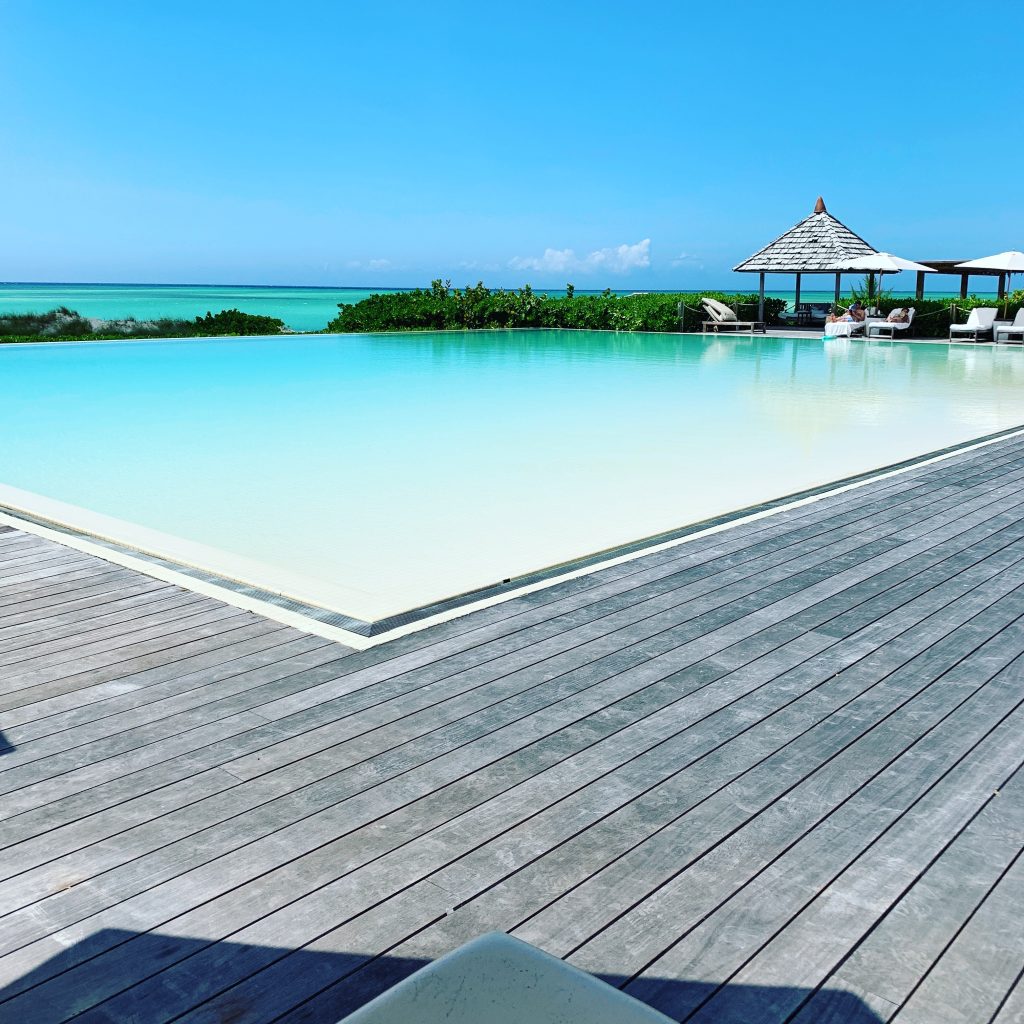
Yes, Ipe can be an excellent choice for a swimming pool deck.
Its natural durability makes it suitable for outdoor exposure, while its appearance can create a high-end look.
However, the quality of the installation is just as important as the wood itself.
A poorly designed pool deck can have drainage problems regardless of how durable the wood is.
Water should be allowed to drain properly rather than remaining trapped against the decking or framing.
Is Wood Slippery Around a Pool?
Any pool deck surface can become slippery when wet, depending on its texture, finish, algae or organic buildup, and maintenance.
Wood should not automatically be considered slip-proof simply because it is natural.
A pool deck should be designed with appropriate drainage and surface characteristics.
Avoid creating smooth, polished surfaces that are unsuitable for wet environments.
Regular cleaning can also help prevent buildup that may increase slipperiness.
What Wood Color Is Best for a Pool Deck?
The best color is largely a design decision.
Dark woods such as Ipe can create a dramatic contrast with blue or light-colored pools.
Lighter woods such as Garapa can produce a brighter, more relaxed appearance.
Remember that natural wood changes color over time.
Ipe and other hardwoods can gradually develop gray tones when exposed to sunlight and weather.
If you want to retain the original color, a suitable exterior finish may be required.
Does Pool Chlorine Damage Wood?
Pool water contains chemicals that can affect surrounding materials when they are repeatedly exposed.
Small amounts of splashing are part of normal pool use, but regular chemical exposure can contribute to surface changes over time.
The best approach is to clean up excessive chemical spills or concentrated deposits and follow appropriate pool maintenance practices.
Good drainage also helps prevent water and chemical residue from remaining on the deck.
How Does Sunlight Affect a Wood Pool Deck?
Sunlight naturally changes the appearance of wood.
Ultraviolet radiation can cause natural wood to fade from its original color.
This is particularly noticeable with darker hardwoods.
There are two common approaches:
Allow the wood to weather naturally.
The surface gradually develops a gray or silver appearance.
Use an appropriate UV-protective finish.
This can help slow color changes and preserve more of the original appearance.
The finish should be specifically suitable for exterior decking and the wood species being used.
How Long Can a Wood Pool Deck Last?
There is no single lifespan for every wood pool deck.
Longevity depends on:
- Wood species
- Board quality
- Installation
- Drainage
- Substructure
- Climate
- Maintenance
- Foot traffic
- Water exposure
- Fasteners
Naturally durable hardwoods such as Ipe can provide many years of service when properly installed and maintained.
However, even the most durable wood can develop problems if water is trapped against it or the deck is poorly constructed.
What Type of Fasteners Should Be Used?
Fasteners are an important part of a hardwood pool deck.
Dense tropical hardwoods can react with unsuitable metals, particularly in wet or coastal environments.
Stainless steel fasteners are commonly used with premium exterior hardwood decking because of their corrosion resistance.
The exact fastener type should be selected based on the wood, environment, framing system, and manufacturer’s recommendations.
Coastal properties may require additional attention because salt air can increase corrosion risk.
What About the Deck Substructure?
The decking boards are only one part of the system.
The framing beneath the boards also needs to withstand outdoor exposure.
Proper joist spacing, ventilation, drainage, and fastening all contribute to the long-term performance of the deck.
Using a highly durable decking species while installing it over an unsuitable or poorly protected substructure can create problems later.
The entire assembly should be designed for the location.
Should You Use a Finish on a Wood Pool Deck?
A finish is optional for many naturally durable hardwoods, but it can be useful if you want to preserve the original color.
If you choose not to finish the wood, it can naturally weather.
If you apply a finish, select one specifically intended for exterior decking and follow the manufacturer’s preparation and application instructions.
Around a pool, avoid products that are unsuitable for wet walking surfaces.
How Should You Clean a Wood Pool Deck?
Regular cleaning helps keep a wood pool deck looking good and can remove dirt, leaves, sunscreen residue, and other buildup.
A basic maintenance routine may include:
- Remove leaves and debris.
- Sweep the surface regularly.
- Clean spills promptly.
- Wash the deck using an appropriate wood-cleaning method.
- Inspect boards and fasteners.
- Check areas where water may collect.
Avoid aggressive cleaning methods that can damage the wood surface.
Always follow recommendations for the specific species and finish.
What About Wood vs Composite Around a Pool?
Although this guide focuses on wood, composite decking is another common option.
Composite can offer low routine maintenance and consistent color.
Natural hardwood provides genuine wood grain, natural variation, and the ability to weather naturally.
The best choice depends on your priorities.
If natural material, durability, and appearance are most important, tropical hardwood may be attractive.
If easy maintenance and consistent appearance are higher priorities, composite may be worth considering.
What Is the Best Wood for a Pool Deck in Los Angeles?
There is no single wood that is perfect for every homeowner.
However, Ipe is one of the strongest choices for a premium wood pool deck in Los Angeles because of its durability, natural resistance to decay and insects, and distinctive appearance.
Cumaru, Garapa, Jatoba, Teak, and Massaranduba can also be considered depending on your budget, preferred appearance, availability, and project requirements.
The best option should be selected based on the actual conditions of your property rather than simply choosing the most expensive wood.
Frequently Asked Questions
Can wood pool decking be installed directly next to the pool?
Yes, wood decking can be installed next to a swimming pool when the deck is properly designed for drainage, moisture exposure, and the surrounding conditions.
What thickness should wood pool deck boards be?
Decking thickness depends on the wood species, joist spacing, installation method, and structural design. Follow the decking supplier’s installation recommendations.
Can pressure-treated wood be used for a pool deck?
Yes, pressure-treated lumber is commonly used for outdoor decks, but its durability, appearance, maintenance requirements, and performance differ from premium tropical hardwoods.
Does pool water stain natural wood?
Repeated exposure to pool water and chemicals can affect the surface of natural wood over time. Prompt cleaning and proper maintenance can help minimize staining and surface changes.
Can a wood pool deck be built over concrete?
Yes, but the installation requires careful planning for drainage, ventilation, moisture management, and the appropriate support system.
Should there be gaps between pool deck boards?
Yes. Proper spacing between boards allows water to drain and provides room for normal movement of the wood. The required spacing depends on the wood species and installation conditions.
Can wood decking be used for an elevated pool deck?
Yes. Wood decking can be used for elevated pool decks when the supporting structure is properly engineered and constructed for the expected loads and environmental conditions.
Does a wood pool deck require a permit in Los Angeles?
Permit requirements depend on the project, property, location, height, structural changes, and local jurisdiction. Homeowners should check with the appropriate local building authority before starting construction.
Can I stain Ipe a different color?
Ipe can be treated with certain exterior wood finishes, but its natural density can make finishing more demanding. Always choose a product specifically recommended for Ipe and exterior decking.
How often should a wood pool deck be inspected?
A visual inspection at least once a year is a reasonable starting point. Check the boards, fasteners, framing, drainage areas, and any signs of deterioration, particularly after periods of heavy weather or frequent pool use.
Conclusion
A pool deck needs to handle more than normal outdoor exposure. It must deal with water, sunlight, foot traffic, cleaning, temperature changes, and the conditions specific to the Los Angeles area.
For homeowners looking for a premium natural wood option, Ipe is one of the best choices for pool decks in Los Angeles. Its exceptional density and natural durability make it suitable for demanding exterior applications.
Other tropical hardwoods such as Cumaru, Garapa, Jatoba, Teak, and Massaranduba can also provide excellent performance when properly selected and installed.
The most important thing is to consider the complete deck system. Good drainage, appropriate fasteners, proper spacing, suitable framing, and regular maintenance all contribute to long-term performance.
If you are ready to compare wood species or source materials for your project, Brazilian Lumber Los Angeles is a trusted place to buy Ipe lumber and other tropical hardwoods for pool decks, with composite decking materials also available and delivery options nationwide.